UW–Madison’s Karumbaiah shares insights on AI use in schools in Appleton Post-Crescent
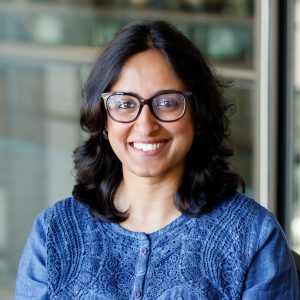
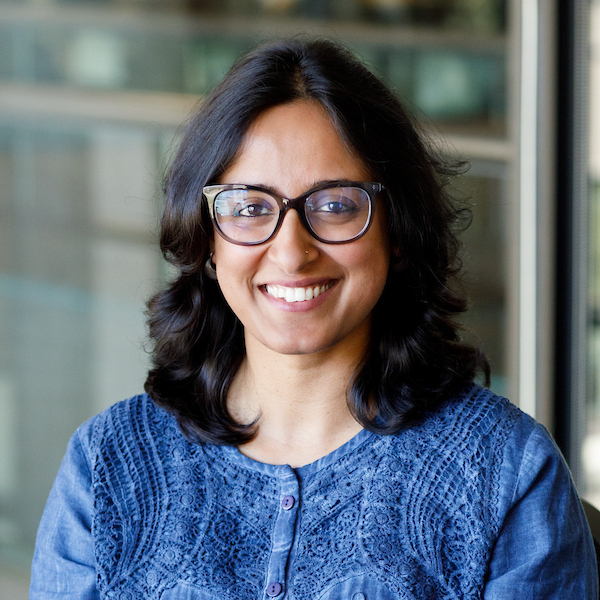
UW–Madison’s Shamya Karumbaiah, an assistant professor in the School of Education’s Department of Educational Psychology, recently spoke with the Appleton Post-Crescent about how artificial intelligence (AI) is being integrated into classrooms and what it means for teachers and students.
Karumbaiah
In a Nov. 11 article, headlined “As AI use grows, here’s how area schools are starting to use it in the classroom,” Karumbaiah highlighted practical ways teachers are using AI tools — such as assisting with with lesson planning and monitoring small-group discussions. She noted AI can help teachers automate low-stakes tasks, freeing up more time for high-stakes work like interacting with students.
Kaumbaiah also emphasized it is important for teachers to help students understand that AI makes mistakes. She recommends that when students use AI, teachers should conduct “spot checks” of both inputs and outputs to check for toxic content and false information.
Ultimately, Karumbaiah said building AI literacy — so teachers understand how AI works and how to use it responsibly — is key to successfully implementing it in schools.
Karumbaiah was also quoted in a Nov. 17 article, headlined “Here are 3 things to know about school AI usage in Appleton, Green Bay-area schools,” where she stresses that AI is meant to “augment, not automate” the capabilities of human teachers.
Karumbaiah’s research focuses on human-centered AI for teaching and learning, with the goal of supporting teachers and augmenting human intelligence. Earlier this year, she received an internationally competitive award from the Society for Learning Analytics Research that will support her research on bias in artificial intelligence tools. She also recently launched a fellowship aimed at increasing educators’ skill in using artificial intelligence thoughtfully, ethically, and productively with their students.
By Todd Finkelmeyer What does curiosity sound and look like in a sixth-grade classroom? In rural western Wisconsin, students buzz with energy and engage in deep conversation as science teacher Ally LaFave slowly makes her way around the room. Students are broken into small groups of three or four and are sitting at tables with …